scopes interacting with life
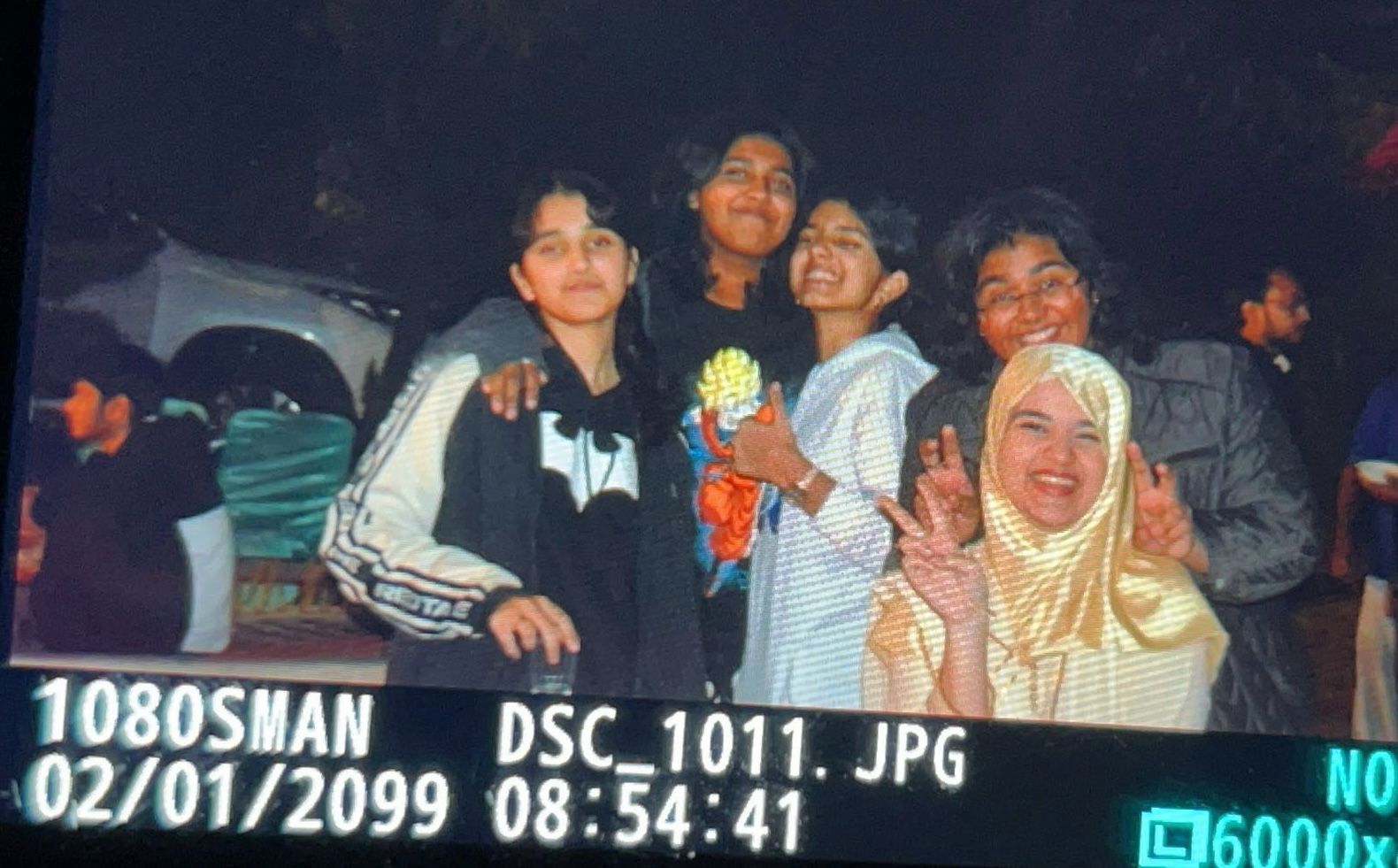
on doing and the trap of potential 2026-05-24 · 5 min read an addition to thoughts i've been sitting with for a while on what it means to actually do something this is a thought i keep coming back to, so i figured i'd just write it out. TLDR; i think a lot of people — myself included at points — confuse the feeling of potential with the act of doing. potential is a placeholder. it's a promise you make to yourself that you keep deferring. and the longer you defer it, the more it starts to feel like the thing itself. the abstraction trap growing up i was always told i had potential. and for a long time that felt good. it felt like something to hold onto. but at some point — i think around second year — i started to notice something uncomfortable. potential is just a description of a gap. it says here is what you could do and here is what you are doing and it highlights the distance between them. when you're young that gap is exciting. when you're older it just starts to feel like a weight. the problem is that a lot of the structures around us are built to make the gap feel productive. classes, grades, hackathons, competitions — these are all proxies. they are abstractions on top of the actual thing you want to do. doing well in a hackathon is amazing, but a hackathon is a simulation of real work. the certificate is not the research. the grade is not the knowledge. the club position is not the impact. i'm not saying these things are useless — they're not, i've gotten a lot from all of them. i'm saying it's very easy to spend so much time inside the abstraction that you forget it was ever a proxy for something real. scope here's the part that took me longer to figure out. the reason the abstraction trap is so sticky is because of scope. if your scope is small — get through this semester, clear this exam, finish this project — then the abstractions make complete sense. they are the entire game. but if your scope is larger — what do i actually want to build, what kind of person do i want to be, what do i want to have done by the time i'm 30 — then the abstractions suddenly look very different. they're tools, not destinations. i think about this with music actually. nfak didn't write must qalandar to win a competition. mehdi hasan didn't sing hangam kyu hai barpa to get a grade. the work came from a different scope entirely — something closer to devotion than performance. and you can feel that when you listen. there's a difference between something made to clear a bar and something made because it had to exist. the same is true for research, for writing, for anything worth doing. so now what i'm not going to say something dramatic like abandon all structure. structure is useful. the semester exists for a reason, the hackathon exists for a reason, AMU exists for a reason. but i think the move is to be intentional about which layer you're operating on at any given moment. sometimes you need to zoom in and just get the thing done. sometimes you need to zoom out and ask whether the thing you're getting done is even pointing in the right direction. the people i've seen do interesting work — my seniors, people i look up to from a distance, the artists whose music i keep returning to — they all seem to have a clarity about scope. they know what game they're actually playing. and that clarity makes them very hard to distract. i think about the tarana at the end of ICECI. in that moment nobody was thinking about their grade or their cv. the scope had collapsed into something much simpler — we did this thing together and it mattered. that feeling is what i want to be chasing more of. potential is just a description of what you haven't done yet. the only way to resolve it is to do the thing. so do the thing. to family, fun and life. ---- this has been a thought i've wanted to write out for a while. feel free to disagree with me, i'd genuinely love to talk about it.
Client
Personal / Self-initiated
Year
2026
Project type
Essay · Philosophy
Credits
Sadia Peerzada



Next project
hardware humbles you